
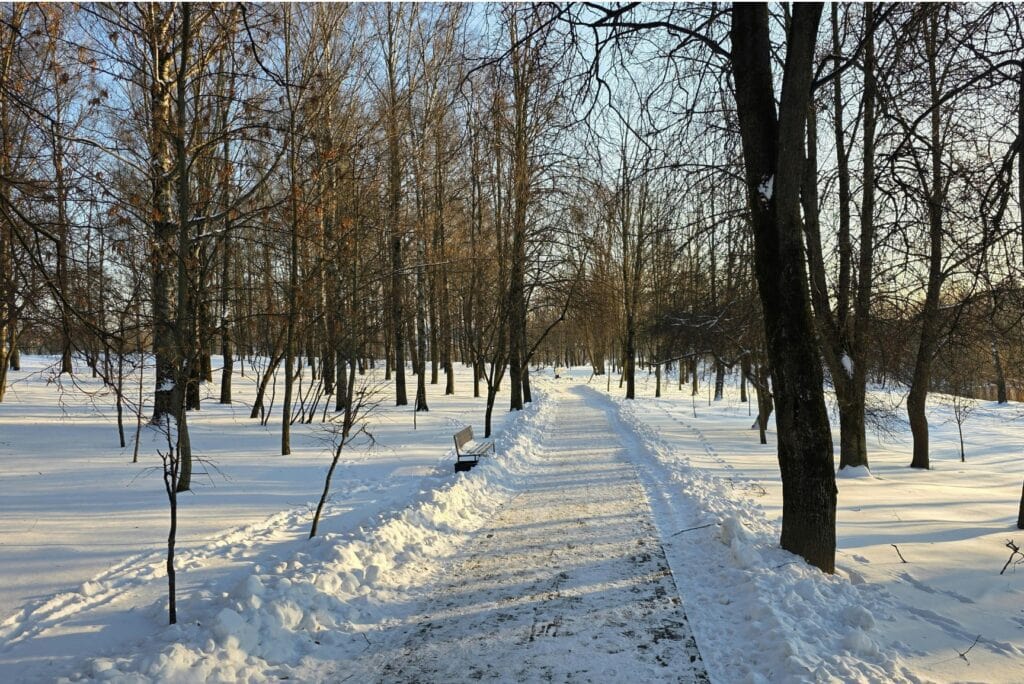
While spring and fall often get the spotlight, many seasoned land buyers know the off-season offers advantages that shouldn’t be ignored. Late winter, in particular, allows buyers to evaluate a property with fewer distractions and a clearer understanding of its true character.
Without heavy vegetation, buyers can better assess the layout of a property. Natural travel corridors, timber density, elevation changes, and access points are easier to identify. For recreational and hunting properties, winter often reveals long-term wildlife patterns, including trails, bedding areas, and staging zones that remain hidden during other times of the year.
Another benefit of off-season buying is perspective. Winter conditions highlight drainage issues, low spots, and road access challenges. While these features may seem like drawbacks at first glance, experienced buyers understand that knowing them upfront helps avoid surprises later.
The off-season can also create opportunity. With fewer buyers actively searching, serious buyers may encounter less competition and more flexibility during negotiations. Sellers listing during this time are often motivated and realistic, making winter a practical time for thoughtful transactions.
Buying land is rarely an impulse decision. It’s a long-term investment in recreation, lifestyle, and legacy. The off-season gives buyers the chance to slow down, ask better questions, and choose a property that aligns with how they plan to use it for years to come.